 Top Injectors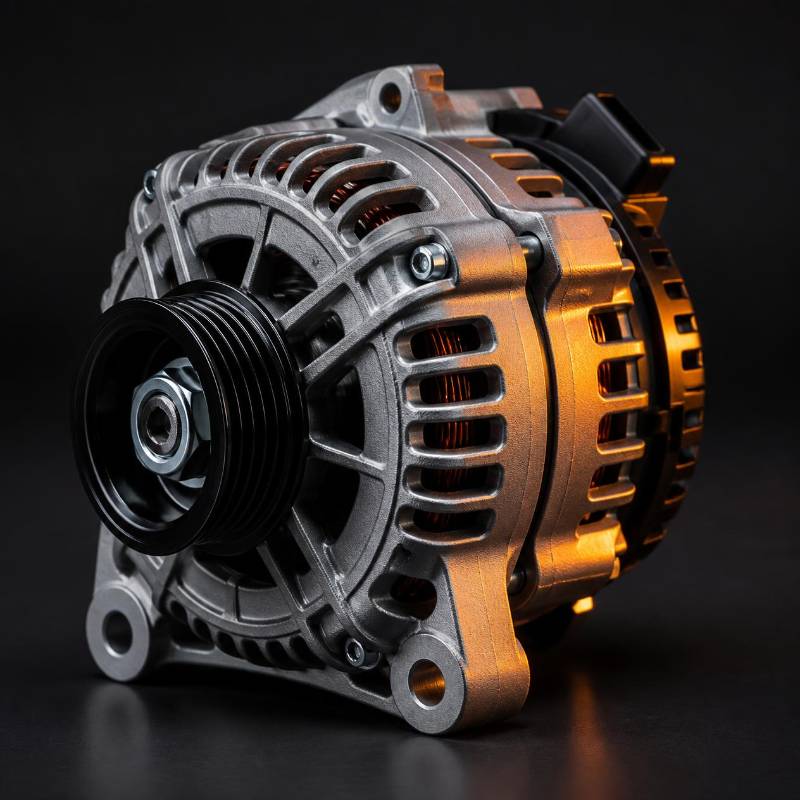
There's nothing more frustrating than fitting a new or reconditioned alternator, only for your charging issues to resurface a few months – or even weeks – later. You've spent the money, done the work, and now you're back at square one. Before you blame the part, it's worth understanding that a premature alternator failure often points to an underlying issue elsewhere in your vehicle's electrical system.
It's Not Always The Alternator's Fault
Many mechanics – and even some DIYers – make the mistake of just swapping out the alternator without digging deeper. While the old alternator might have genuinely failed, something else could have caused it to die, and that 'something else' will happily take out your shiny new replacement too. Think of it like a fuse blowing; you don't just replace the fuse without finding out why it blew in the first place, do you?
Common Culprits Behind Premature Failure
- A Failing Battery: This is probably the number one cause. If your battery is old, has a shorted cell, or just can't hold a charge properly, your new alternator will be forced to work overtime, all the time, trying to keep it topped up. Alternators are designed to maintain a charged battery, not to constantly recharge a dead one. This excessive load generates heat and stress, burning out the diodes or voltage regulator surprisingly quickly. Always test your battery thoroughly when replacing an alternator.
- Wiring Problems: Corroded, loose, or damaged wiring can cause all sorts of headaches. A poor connection at the alternator's output terminal, a bad ground wire, or even a partially shorted wire can create resistance, cause voltage drops, and make the alternator work harder than it should. Check every wire connected to the alternator, including the main battery cable and the field wire (if applicable).
- Incorrect Belt Tension: Too loose, and the belt slips, meaning the alternator isn't spinning at its proper speed, leading to undercharging and potential overheating. Too tight, and you're putting excessive strain on the alternator's bearings, causing them to wear out rapidly and potentially seizing the unit. Get the tension right according to your vehicle's specifications.
- Excessive Electrical Load: Are you running a stack of aftermarket accessories – big stereos, extra lights, inverters – that weren't accounted for by the original electrical design? Constantly pulling more current than the alternator is rated for will, predictably, shorten its life significantly.
- Contamination: Oil leaks, power steering fluid leaks, or even coolant dripping onto the alternator can contaminate its internal components, especially the brushes and slip rings, leading to premature failure.
What To Do If It Happens To You
If your recently replaced alternator has packed up again, don't just swap it out a second time without doing your homework. Here's a quick checklist:
- Battery Load Test: Get your battery properly load tested. A simple voltage reading isn't enough.
- Check All Connections: Disconnect and inspect every wire connected to the alternator. Look for corrosion, fraying, or looseness. Clean terminals thoroughly.
- Inspect Belt Condition and Tension: Make sure the belt isn't cracked or glazed and that its tension is spot on.
- Voltage Drop Test: Perform a voltage drop test on the main charging cable and the ground cable to identify hidden resistance.
If you're unsure or can't pinpoint the issue, bring it to us. We've got the diagnostic tools and experience to find the root cause, ensuring your next alternator lasts as long as it should.
Got this issue?
Tell us your vehicle details and symptoms — we'll help diagnose it and quote a repair or reconditioning if needed.
Get an Alternator Quote →